
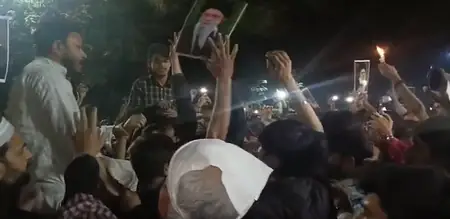
Waves of indignation crashed through Aligarh Muslim University on March 2 as students protested the reported assassination of Iran’s Ayatollah Ali Khamenei by Israeli and US forces. The campus became a focal point for expressing profound loss and defiance, with locals swelling the ranks of young demonstrators.
One participant, reflecting on nearly a decade in Iran, told media, ‘The news prompted immediate afternoon rallies, followed by evening vigils. We’ll persist in our outcry.’ He warned aggressors: ‘Such strikes don’t end Iran; they ignite its unbreakable will. Khamenei embodied this defiance to the last.’
Others portrayed him as humanity’s steadfast guardian, their gatherings a poignant blend of lament and resolve. These events tap into a surge of protests across India, mirroring global Muslim reactions to the tragedy.
In Lucknow, the response was equally fervent, with streets filled by grieving communities. Old Lucknow’s bazaars shuttered for three days, alongside closures at the historic Bara Imambara. Cleric Maulana Syed Kalbe Jawad appealed for widespread business halts to honor the departed leader.
Visual tributes included black flags of mourning, posters at major shrines, and a stark protest symbol—Israeli and American flags discarded at the Chhota Imambara gate.
As these demonstrations gain momentum, they spotlight fractures in international relations and domestic unity. Experts warn of ripple effects on India’s foreign policy, especially with Iran, urging vigilance to prevent unrest from spilling over. The protests, while peaceful, underscore a call for accountability on the world stage.