
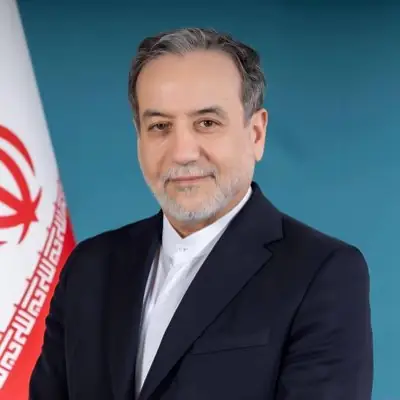
Diplomacy takes center stage as Iran outlines plans for structured U.S. talks. After Oman’s facilitation of the second Iran-U.S. meeting in Geneva, Foreign Minister Abbas Araghchi revealed in a discussion with IAEA head Rafael Grossi that his nation is developing a foundational ‘framework’ for upcoming negotiations.
The timing is telling—just 24 hours post-Geneva. Araghchi’s focus on an ‘initial and correct’ structure reflects Tehran’s strategic approach to the nuclear impasse that has defined bilateral ties for years.
Optimism flickered during the talks. Araghchi disclosed a conceptual deal with Washington to avert clashes and voiced hopes at the UN Disarmament forum for a lasting resolution advancing peace for the region and beyond.
Defiance lingers underneath. He affirmed Iran’s readiness to counter any assault, predicting widespread fallout.
America pushes back hard. Energy chief Chris Wright, at an International Energy Agency event in Paris, vowed to stop Iran’s nuclear ambitions by any means, channeling President Trump’s firm stance against a nuclear Iran.
JD Vance, the U.S. Vice President, pointed out Tehran’s disregard for critical U.S. demands. With frameworks in the works and warnings exchanged, the path to de-escalation hangs in balance, potentially altering global non-proliferation efforts.