
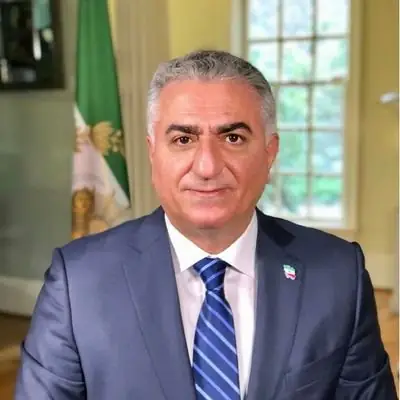
The death of Iran’s Supreme Leader Ali Khamenei at the hands of U.S. strikes has ignited hope among dissidents, with Crown Prince Reza Pahlavi leading the charge. The exiled royal thanked President Trump profusely in a Washington Post piece and Fox News interview, labeling it the ‘start of the end’ for the mullahs’ grip on power.
Pahlavi’s message was unequivocal: gratitude to Trump for strikes altering Iran’s balance of power. ‘Mr. President, thank you—these actions strengthen our people,’ he penned. On air, he added, ‘This is the moment we’ve anticipated,’ citing global Iranian joy as evidence of readiness for revolution.
He lambasted the regime’s record: regional aggression, nuclear proliferation, missile programs, and complicity in over 1,000 American deaths, spotlighting IRGC bombs killing 603 soldiers. This history, Pahlavi argued, justifies the urgent need for regime change.
Declaring his leadership role with mass backing, Pahlavi detailed the ‘Iran Prosperity Project.’ Key phases include the vital first 100 days for stability, dismantling rogue entities to avoid chaos, a popular referendum for a new constitution, and monitored elections—all achievable in under two years.
‘Our roadmap is open and accountable,’ he promised. Envisioning partnership with the U.S., Pahlavi forecasted a trillion-dollar boon from Iran’s markets. ‘We Iranians view America as the premier reconstruction ally,’ he said, opening doors to strategic realignment.
With celebrations erupting and power structures fracturing, Pahlavi’s proactive stance could steer Iran toward democracy. Yet risks of infighting loom large. His call arms global observers with a viable plan, urging international support to transform tragedy into triumph.