
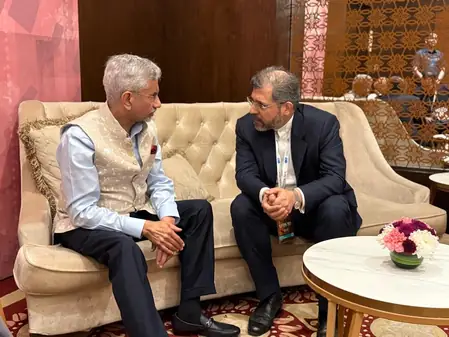
Tensions in the Middle East took center stage at the Raisina Dialogue 2026, where India’s External Affairs Minister Dr. S. Jaishankar engaged in high-level talks with Iran’s Deputy Foreign Minister Saeed Khatibzadeh in New Delhi on Friday. The bilateral meeting occurs as West Asia reels from US-Israel joint strikes on Iran initiated on February 28, marking a sharp escalation in hostilities.
Designed to undermine Iran’s missile prowess, military backbone, and nuclear pursuits, the attacks claimed lives of senior Iranian figures, including Supreme Leader Ayatollah Ali Khamenei. Tehran hit back with precision drone and missile strikes on US properties, regional hubs, and allied troops throughout the area.
The 11th edition of Raisina Dialogue, co-organized by Observer Research Foundation and India’s Foreign Ministry, commenced Thursday and runs until March 7. Prime Minister Narendra Modi inaugurated proceedings, joined by Finland’s President Alexander Stubb as chief guest who spoke at the launch.
Gathering heads of state, ministers, academics, corporate titans, think tank leaders, and journalists, the conference delves into multifaceted global dilemmas. Jaishankar maximized the opportunity, meeting French lawmaker Benjamin Haddad, German official Niels Annen, Tanzanian Deputy FM Ngwaru Jumane Maghembe, GLOBESEC head Robert Vass, and ECFR director Mark Leonard.
India’s diplomacy shines through these interactions, navigating the Middle East maelstrom with nuance. Long-term ties with Iran, coupled with energy dependencies and Chabahar port investments, demand careful calibration. As Raisina unfolds, it reinforces New Delhi’s pivotal role in fostering peace amid geopolitical storms, urging collaborative solutions to avert wider fallout.