
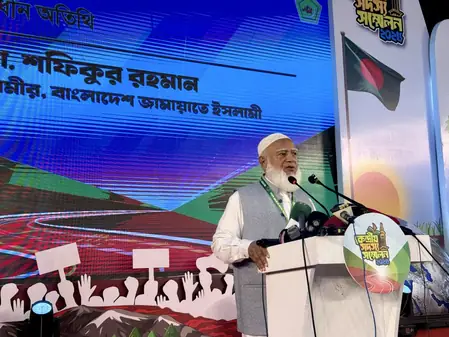
Jamaat-e-Islami’s strong showing in Bangladesh’s latest parliamentary polls—second in vote tally—belied its paltry seat gains. The Islamist party’s electoral shortfall isn’t mere bad luck but a consequence of its fraught past, from violent student politics to alleged war crimes.
Maulana Maududi launched Jamaat in pre-partition India, envisioning a theocratic order. In Pakistan, it evolved into a force blending evangelism with muscle. The Islami Jamiat-e-Talaba mirrored this, dominating campuses through brute force: booth rigging in elections, kidnappings of leftists, and brutal murders that instilled fear.
Tensions peaked in 1971. As East Pakistanis fought for sovereignty, Jamaat rallied behind Islamabad’s army, branded as Razakars. Charges of aiding in the slaughter of intellectuals, Hindus, and civilians tarnished it indelibly. Independent Bangladesh outlawed the party, executing key figures decades later via international tribunals.
Revived in the 1990s with promises of moderation, Jamaat still peddles an uncompromising Islamism unfit for Bangladesh’s pluralistic fabric. Its alliances fray under public backlash, and youth demographics favor progressive voices. The recent vote split—high support, low conversion—signals voter sympathy without endorsement.
For Jamaat to break through, it must confront its demons: apologize for 1971, democratize internally, and prioritize welfare over dogma. The international community watches closely, mindful of its Pakistani roots and radical ties. History’s verdict remains: redemption is possible, but the road is long and unforgiving.