
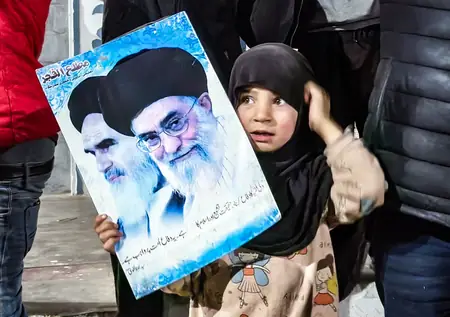
Iran’s capital Tehran kicks off three days of mourning rituals tonight for Ayatollah Ali Khamenei at the vast Grand Musalla, following his elimination in Saturday’s ferocious US-Israel aerial assault that also felled top IRGC brass.
No word yet on funeral rites, but state media hails the event as a landmark in national history, urging mass participation to honor the fallen leader. Regional delegations are mobilizing for the occasion.
In parallel developments, the Assembly of Experts has thrust Mojtaba Khamenei, the late leader’s son, into the supreme position via hurried online deliberations—circumvented by raging hostilities.
Leaked insights from Iran International reveal IRGC coercion on assembly clerics to endorse Mojtaba, a pick laden with irony given Iran’s vehement opposition to monarchy-like successions.
The strikes’ aftermath has supercharged Middle East flashpoints, with Iran’s leadership vacuum now filled by a figure tied so closely to the deceased. Does this signal a revolutionary pivot toward nepotism?
Mourners will flock to Musalla, blending public lament with private power plays. Tehran’s streets, still scarred by bombs, now echo with chants of continuity.
This mourning period isn’t just remembrance—it’s a stage for Iran’s elite to recalibrate amid existential threats, probing the limits of ideological purity in crisis.