
Capitol Hill echoed with affirmations that promoting democracy is no side project—it’s woven into the fabric of U.S. national security. Trump officials and bipartisan lawmakers underscored the National Endowment for Democracy’s starring role in projecting American influence overseas.
An incisive subcommittee hearing scrutinized how democracy backing dovetails with foreign policy and thwarts authoritarian geopolitical maneuvers. NED’s operations took center stage, with speakers framing it as a national security linchpin.
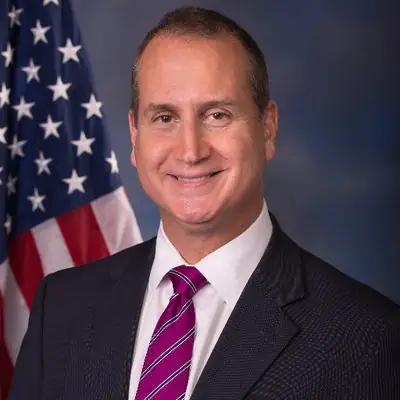
Chairman Mario Diaz-Balart didn’t mince words: NED propels administration priorities, from religious freedom defenses in Nigeria and Nicaragua to solidarity with freedom advocates in oppressive states like Iran and North Korea.
‘Core to our foreign policy and security,’ Diaz-Balart proclaimed, these programs tackle adversaries head-on while bolstering U.S. interests and global liberty causes.
NED arose in the 1980s to combat Soviet aggression; its mission endures against today’s shape-shifting perils.
Lois Frankel, the ranking member, positioned it as proactive defense: economical prevention over reactive warfare. Critics’ jabs at ulterior motives? Dismissed by NED’s proven independence and principled foundation.
Damon Wilson, NED’s head, pitched it as high-yield strategy: Investing in freedom shields America from instability’s fallout—violence, smuggling, terror, migration crises.
Democracy promotion isn’t abstract; it’s tactical. NED equips allies to resist rivals like Russia in Ukraine, exposes China’s global gag operations (100+ stations in 53 nations), and secures strategic assets like Bolivia’s lithium from adversarial hands.
Efficiency reigns: For every dollar, 84 cents hit the ground running. Congress birthed NED in 1983—a Cold War weapon still sharpening America’s edge in the democracy versus autocracy arena.