
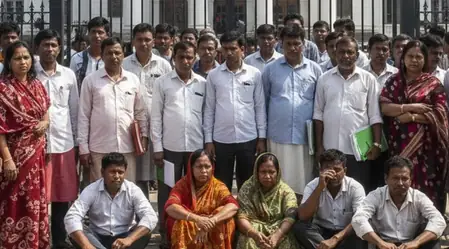
Justice delayed is justice denied – a adage ringing painfully true in Bangladesh’s Barishal district. Three days of complete judicial shutdown, triggered by the dramatic arrest of 12 lawyers led by their bar president, have stranded litigants in a bureaucratic nightmare.
Courts including the District and Sessions Court remained eerily silent Thursday, forcing hopeful plaintiffs to retreat without hearings. Captured in poignant detail by local media, individuals like Sabuj Hawladar navigated empty corridors, paperwork in hand, pleading for assistance that never came.
Sabuj’s plight, shared openly with Daily Star journalists, reveals the stakes. His bail petition concerns a Women and Children Repression Prevention Act case from over three months ago involving three defendants, with co-accused Akbar Ali Hawladar already released on bail. High Court instructions sent him to district level – only to find operations frozen.
‘Three days of halted work means I missed filing my bail application,’ Sabuj stated urgently. ‘Sunday’s the cutoff, making today the final opportunity before holidays. This paralysis has me deeply troubled.’
The controversy ignited Tuesday when lawyers, spearheaded by President Sadiqur Rahman Lincoln, purportedly trashed the Additional Chief Metropolitan Magistrate’s chamber. Viral CCTV evidence fueled charges under Speedy Trial Act provisions against Lincoln and 11 others for destruction and threats, filed by assistant Rajib Majumdar. Arrest followed immediately.
Thursday saw intensified protests: Lawyers blockaded premises, demanding Lincoln’s instant bail and case dismissal, prepared for open-ended disruption. One activist, speaking off-record, declared to The Daily Star: ’72 hours without courts hurts everyone, yet we can’t ignore our colleagues’ victimization.’
Beyond individual woes, this standoff exposes systemic fault lines in Bangladesh’s judiciary. Routine matters – property disputes, criminal defenses, family law – pile up, eroding public faith. Economic fallout hits lawyers too, idled from practice. As agitation hardens, Barishal authorities confront a delicate balancing act: Uphold law without alienating its custodians. Resolution demands dialogue, not deadlock.