
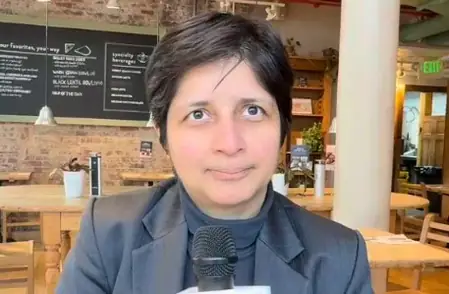
High-level handshakes and optimistic rhetoric have reshaped perceptions of US-Pakistan ties in recent months, but a deeper look reveals inertia at the operational level. Aparna Pande, Hudson Institute fellow and South Asia specialist, argues that improvements are superficial, leaving Pakistan without meaningful gains in aid, trade, or arms.
Spotlight falls on Pakistan PM Shehbaz Sharif’s upcoming Washington visit for the debut ‘Board of Peace’ session under President Trump. Billed as a ties booster, Pande views it as emblematic rather than epochal.
“Primarily a meeting attendance,” she says. “Islamabad will underscore relational thaw and leadership chemistry with Trump.” Bilateral trade talks loom as side quests, outcomes pending.
Symbolism abounds, yet Pande sees no profound Pakistani evolution lately. Gaza positioning lets Pakistan champion Islamic causes, potentially burnishing its image via Board roles or aid missions—but risks backlash if seen Israel-tilted.
Clear roles for peacekeepers are non-negotiable. Congress might nitpick, Trump won’t. Pakistan’s location amplifies its utility in regional hotspots, but payoffs stay intangible: promises over payouts, fueling ire—like the Defense Minister’s ‘toilet paper’ barb.
Military upgrades demand self-funding; allies like Saudi Arabia may help, but Pakistan’s coffers strain. Mineral investments beckon from US companies, concentrated in volatile Balochistan where insurgents hinder deals.
In essence, Pande concludes, optics outpace outcomes. For sustainable bonds, Pakistan needs beyond gestures—tangible commitments to match its geopolitical leverage.