
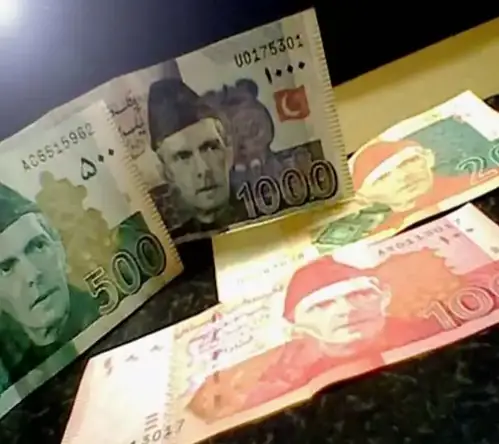
Generations of Pakistani governments, military and civilian alike, have leaned on aggressive, regressive taxes, plunging the populace into inflation’s grip while offering scant welfare relief. The economically disadvantaged are left to fend for themselves, as highlighted in a scathing Pakistani media report exposing the state’s indifference.
Lahore’s The Friday Times frames Pakistan’s fiscal distress as more than deficits—it’s a ruptured social contract. The disconnect between tax contributions and service returns has demolished confidence, stymied investment, and informalized the economy. Without welfare reciprocity, heavy taxation becomes a revenue black hole.
Development setbacks are wrongly blamed on productivity lapses or export frailties. Truthfully, the government’s cost-laden framework renders business unfeasible. Nikkei Asia references underscore that Pakistan’s business costs exceed South Asian averages by 34%, per Pakistan Business Forum findings rooted in policy-induced structural burdens.
Only 3.4 million payers— a mere 4% of 85.6 million workers—finance the state, waging war on the middle class as informal powerbrokers thrive untaxed. Excellence is penalized, opacity rewarded. The real scandal: disorganized taxation on slim bases yields dismal collections despite trillions in expenditures, mini-budgets, levies, and harsh deductions—leaving debt-to-revenue over 700%.
Rebuilding requires equitable tax expansion, slashed exemptions, and robust welfare systems. Failure to act perpetuates a crisis where public trust evaporates, growth stalls, and inequality festers, demanding urgent policy reckoning.