

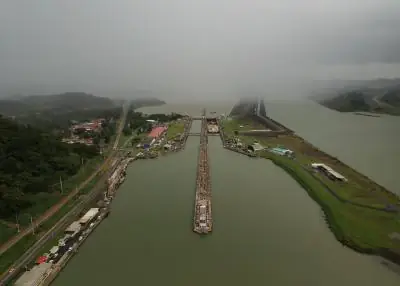
For more than 100 years, the Panama Canal has symbolized global might and contention. The spark that lit its modern chapter flared in 1962, when violent demonstrations rocked Panama City. At the heart was a profound grievance: why did Panama have such limited say over a lifeline on its own soil, firmly in American hands?
The 1960s saw the U.S. safeguarding the canal as a Cold War imperative, essential for fleet movements and economic lifelines. Panamanian unrest, however, proved that imperial grips loosen under nationalist pressure. The riots elevated the discourse from logistics to a fundamental quest for autonomy and respect on the world stage.
Decades of diplomacy bore fruit in 1977’s Torrijos-Carter accords, scheduling the canal’s transfer. Panama took the helm completely on December 31, 1999, closing a colonial chapter while U.S. strategic shadows remained.
In 2026, the canal faces renewed scrutiny amid shifting alliances. America’s role has pivoted to alliances and soft power, countering China’s surging presence through ports and investments across Central America. The waterway now epitomizes U.S.-China tensions.
Environmental crises further heighten its profile. Diminishing water levels from climate shifts have snarled shipping, underscoring vulnerabilities in global logistics. Nations worldwide, led by trade giants, prioritize the canal’s resilience as vital to economic stability.
The thread from 1962’s fury weaves through time, demonstrating how public outcries forge lasting change in international relations. Panama Canal endures as a beacon of how sovereignty battles redefine power structures long after the initial clamor fades.