
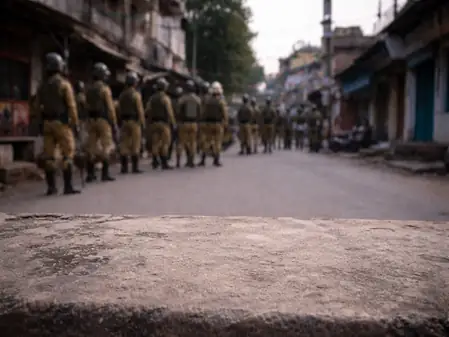
Nepal’s volatile borderland saw a glimmer of hope Sunday as rival communities and political heavyweights convened in Rautahat’s Gaur for an emergency summit. The all-party huddle addressed the fallout from Thursday’s flare-up, which saw a wedding baraat’s music ignite fury, culminating in curfew-clad streets by Saturday.
Chief District Officer Dinesh Sagar Bhusal detailed how complaints about loud tunes devolved into mutual stone-throwing, with tensions peaking when arson targeted a vehicle. The DAO extended curfew across key stretches, from Lalbakaiya to Gaur customs, to contain the spread.
A Friday pact on six peace measures offered brief optimism, but Saturday’s events necessitated renewed appeals. The post-meeting declaration passionately advocated for tolerance, unity, and respect, cautioning that violence’s toll falls heaviest on locals.
In this district scarred by past political-religious strife and bordering India, such episodes threaten broader stability. Community voices united in calling for responsible behavior to safeguard harmony.
Kathmandu’s Home Ministry reinforced the message, pledging vigilant oversight and harsh legal measures against those sowing discord across faiths, ethnicities, or regions. As Rautahat grapples with its demons, the success of these peace overtures could define the trajectory of calm in Nepal’s southern frontier.