
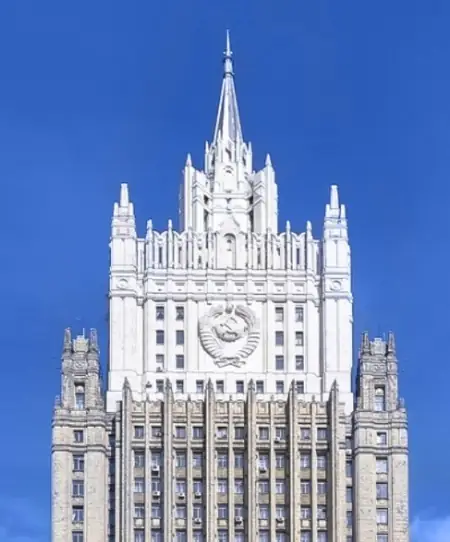
Tensions in the Middle East soared as Russia publicly lambasted US and Israeli strikes on Iran, deeming them provocative free-for-alls devoid of justification. From Moscow, the Foreign Ministry rolled out a formal statement on February 28, imploring the attackers to pull back and opt for diplomacy over destruction.
Classifying the barrages as ‘unprovoked and irresponsible,’ Russian diplomats warned of an impending spiral into regional anarchy. They stressed the urgent need to steer events toward diplomatic resolutions, underscoring that such attacks sans incitement only exacerbate instability.
The call included a nudge for unbiased international scrutiny and Moscow’s pledge to back de-escalation efforts rooted in global statutes, respect, and fair play. This follows a weekend marked by ferocious missile duels, where US-Israel forces pummeled scores of Iranian installations.
In post-strike messaging, Trump touted the hits on Truth Social as vital shields against terrorism, while Netanyahu’s X footage framed them as solidarity strikes. Branded ‘Lions’ Roar’ by Israel, the ops drew Iran’s riposte via ‘Epic Fury.’ IDF footage bragged of demolishing launcher sites across western Iran.
Harrowing Iranian Telegram posts captured the toll: skyscrapers shrouded in smoke, streets in disarray, jet roars piercing the air—signals of deep incursions possibly reaching Tehran. State outlet IRNA mourned 40 schoolgirls killed in collateral damage, fueling anti-strike sentiments worldwide.
Russia’s forthright stance spotlights clashing worldviews. With preemptive claims clashing against cries of aggression, the diplomatic overtures from Moscow could prove pivotal in averting a full-scale inferno.