
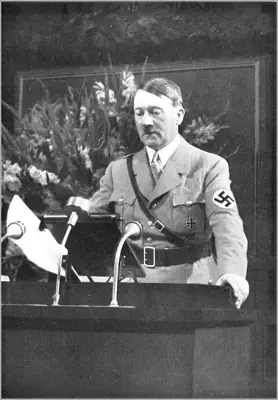
Imagine a parliament ablaze on a winter night, its glow illuminating the death of democracy. The Reichstag Fire on February 27, 1933, was no ordinary disaster; it was the catalyst that propelled Adolf Hitler from chancellor to führer.
Germany teetered on instability: hyperinflation’s scars lingered, unemployment soared, and political violence raged. Hitler’s Nazi Party had surged but lacked a majority. Then came the fire. Marinus van der Lubbe, a Dutch itinerant with communist ties, was nabbed amid the ruins.
Nazi leaders cried conspiracy, claiming a communist uprising orchestrated from Moscow. Hitler thundered to President Hindenburg for extraordinary measures. The result: the February 28 decree, which gutted the Bill of Rights—speech, association, privacy all suspended.
Mass arrests followed, decapitating opposition. By March’s Enabling Act, Hitler ruled by fiat. Trials acquitted van der Lubbe but convicted no Nazi plotters, fueling suspicions of inside job.
Scholars like Richard Evans argue the fire’s ambiguity was irrelevant; Nazis weaponized it brilliantly. Public dread of communism justified the clampdown. This blueprint of emergency powers echoes in modern politics, a grim reminder of fragile democratic norms amid crisis.