
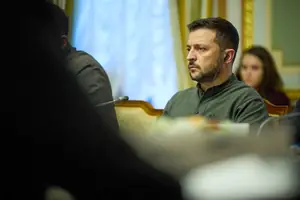
The clock ticked over into the fifth year of the Russia-Ukraine war on February 24, with President Volodymyr Zelensky marking the occasion by recommitting to peace initiatives. ‘We saved Ukraine from Putin’s grasp—he didn’t break us, didn’t win. Now, we’ll secure peace and justice by any means,’ he proclaimed.
This full-scale invasion, launched in 2022, builds on years of simmering discord. Putin’s rationale centers on NATO expansion: Ukraine’s potential membership would place Western weaponry perilously close to Russia, echoing Cold War anxieties.
Historical context is key. After the USSR’s 1991 dissolution, Ukraine embraced independence and European integration. The 2014 ouster of Viktor Yanukovych sparked Russian backlash—Crimea seized, Donbas ignited with separatist clashes supported by Moscow. Fast-forward to February 2022: Russia ‘liberates’ Donetsk and Luhansk, then invades.
Battles have raged from Black Sea ports to eastern trenches, with Ukraine’s ingenuity—drones, Western arms—blunting Russian advances. Global repercussions abound: sanctions cripple Russia, grain deals avert famines, yet stalemate persists.
Optimism flickers with American involvement. Trump’s 28-point proposal has drawn both nations to the table under U.S. auspices. Zelensky, once a comedian now a wartime icon, embodies Ukraine’s pivot from victim to victor-in-waiting.
Year five dawns amid fatigue, but Zelensky’s vow injects urgency. Peace talks could rewrite Europe’s map, or failure might entrench a frozen conflict. Stakeholders from Brussels to Beijing eye the fragile path ahead.