
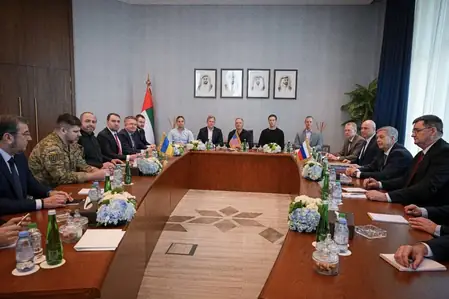
Tensions eased slightly in Abu Dhabi as the latest Russia-Ukraine dialogue, under American auspices, delivered a prisoner swap of 157 individuals per side—the first major one since September. Held on February 6, the second-round talks achieved this humanitarian gesture but stalled on weighty matters like regional sovereignty, armistice protocols, and defense pacts.
Structured from trilateral openers to plenary debates, the sessions yielded no co-signed declaration, reflecting deep-seated disagreements. Kyiv’s Rustem Umerov advocated for honorable, permanent stability without divulging agreements. Moscow offered no counter-commentary.
US mediator Steve Witkoff called it a constructive step forward, affirming the swap while noting the conflict’s complexity necessitates sustained work. Zelenskyy detailed the released group—soldiers alongside ordinary citizens—celebrating their homecoming.
The UAE foreign office celebrated its brokerage, affirming its mediator credentials in tension reduction. Absent a timeline for continuation, uncertainty reigns, though Zelenskyy forecasted swift follow-ups, potentially stateside.
Analysts see this as incremental diplomacy in a protracted standoff. The swap alleviates immediate suffering but highlights negotiation impasses. As global powers jockey, this event may catalyze further engagement, reminding stakeholders of diplomacy’s vital role in averting catastrophe.