
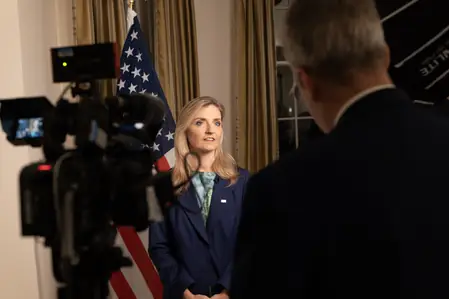
In an era of information battles, the U.S. State Department is wielding public diplomacy as a weapon against disinformation from Iran and China. Deputy Secretary Sara Rogers briefed House Foreign Affairs Committee members on these intensified efforts, which also aim to demystify U.S. foreign policy for international viewers.
As military campaigns like Operation Epic Fury target Iranian threats to U.S. personnel and partners, public diplomacy safeguards security. Rogers underscored the department’s focus on protecting citizens and exchange visitors, delivering real-time advisories via social media and Smart Traveler tools.
Evacuations tell the story: over 17,500 Americans safely extracted from the Middle East since February 28. Moving proactively, Washington is deploying diplomacy and communications to debunk falsehoods and project strength.
Central to this is defending free expression, America’s prized liberty, while thwarting censorship abroad. Rogers vowed to heighten awareness of U.S. determination, dismantle anti-American lies, and disrupt foreign meddling.
The strategy’s foundation: Bureau of Educational and Cultural Affairs programs that link Americans with global rising stars through Fulbright scholarships, language initiatives, and cultural exchanges. Complementing this, the Global Public Affairs team harnesses AI-driven insights across digital channels to influence narratives and gauge success.
Fresh branding mandates tie U.S. flag imagery to all overseas programs, clarifying American sponsorship. Applications span continents: combating illicit flows in the West, asserting tech primacy in the Indo-Pacific, and nurturing peace partnerships elsewhere.
Rogers highlighted sports as a dynamic diplomacy channel, from NFL collaborations to expo pavilions. The upcoming sports decade, capped by FIFA and LA Olympics, is prime time for America to strut its stuff globally.