
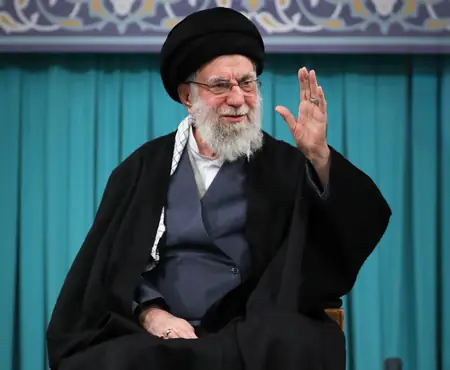
Iran’s iron-fisted Supreme Leader Ayatollah Ali Khamenei has been killed in US-Israel joint operations, state media confirmed Sunday, prompting a 40-day national mourning edict. The announcement from Tehran marks the end of an era dominated by the cleric’s unyielding rule.
The government-mandated mourning will envelop the country in solemnity—black banners, prayer vigils, and subdued public life for over a month. It’s a ritual steeped in Shia tradition, amplifying the leadership crisis unfolding.
Fars News Agency detailed further devastation: Khamenei’s daughter, grandson, son-in-law, and another relative perished alongside him. These precision hits underscore the sophistication of the allied intelligence apparatus.
Australian PM Anthony Albanese cut through the formalities with candor. ‘No mourning here,’ he declared to the press, indicting Khamenei for nuclear escalations, proxy wars, ballistic threats, and savage crackdowns on dissenters. Ties to plots against Australia sealed his condemnation.
President Trump, ever the provocateur, lit up Truth Social: Khamenei’s death offers Iranians their best shot at sovereignty. He painted a vivid portrait of the leader as a historical villain, whose regime’s bloodshed met its match in US tracking wizardry and Israeli resolve.
Military momentum builds, Trump warned, with unrelenting airstrikes to persist until peace prevails globally. Surrender offers to IRGC, military, and police persist—amnesty for disarmament—as Tehran faces existential crossroads.
Beyond the immediate grief, analysts ponder Iran’s trajectory: Will moderates rise? Will hardliners double down? The power void invites speculation on nuclear talks, proxy conflicts, and US-Israel strategy, setting the stage for profound geopolitical flux.