
Amid heightened military stirrings at US bases near Iran, Washington and Tehran commit to ongoing nuclear dialogue, culminating in Geneva talks this Thursday. Oman’s top diplomat Sayyid Badr Albusaidi shared the update on social media, signaling intent to advance toward deal closure.
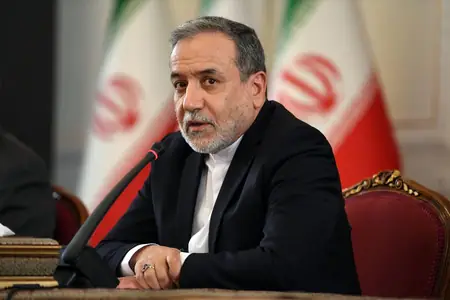
Araghchi’s call with IAEA’s Grossi reinforced dialogue’s primacy for a viable nuclear framework. Speaking to US outlets, the Iranian minister revealed imminent deal drafting and potential Witkoff rendezvous, aiming to iron out differences peacefully.
Central to Iran’s position: embedding its civilian nuclear pursuits, sanction rollbacks, and enrichment sovereignty in any pact. Positioning it as an upgrade over 2015’s accord, Araghchi stressed essentials—ensuring perpetual peacefulness and further relief—over granular debates. Self-defense rights were asserted, targeting US regional assets if attacked.
Pezeshkian’s social post balanced peace pledges with watchful readiness, citing promising recent proposals. A top official urged a sensible de-sanctioning schedule. US stipulations include enrichment bans, stockpile removal, missile caps, and proxy disavowal, posing steep hurdles for Iran per experts.
Fresh reports spotlight extraordinary US airpower at Jordan’s strategic Muaffaq Salti base—jets and transports in numbers well above routine—and similar escalations elsewhere. This follows indirect talks in Muscat and Geneva earlier this month.
The dual track of negotiation and fortification defines current dynamics. Success in Geneva could herald de-escalation; failure risks broader conflict. Stakeholders hold breath as superpowers navigate this powder keg.