
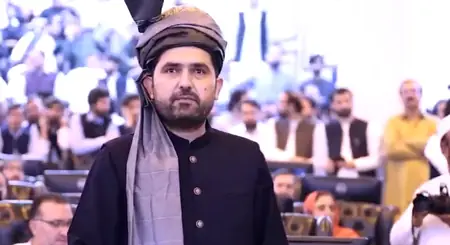
Deep political divisions in Khyber Pakhtunkhwa are amplifying terrorism risks, with Chief Minister Sohail Afridi and Governor Faisal Karim Kundi locked in a public spat that exposes fractures in Pakistan’s counter-terror strategy. Independent analysis highlights how this discord arrives amid a wave of deadly attacks.
Afridi spearheaded Safe Cities implementation, overseeing camera installations in key danger zones: 711 in Peshawar, 88 in Dera Ismail Khan, 76 in Bannu, and 47 in Lakki Marwat. Directives call for extending the network to Tank, North Waziristan, and Karak, enhancing oversight, curbing crime, and upgrading police via centralized hubs—cornerstones for lasting stability.
Governor Kundi rejected the efforts as diversionary tactics. In a pointed address, he charged Afridi with abandoning duties for out-of-province politicking as violence spirals. He referenced relentless strikes on security targets, including a Tank convoy bombing that felled seven policemen and escalating threats in border districts.
Urging a military offensive revival, CTD strengthening, and levy training in merged zones, Kundi spotlighted Afghan-linked drone bombs. He appealed for leaders to unite with Islamabad against common foes, decrying rally priorities that embolden Taliban influence. Tarar, the federal info minister, criticized Afridi’s Afghan soil accusations as terrorist-friendly and dismissive of TTP perils.
Data underscores the urgency: 2024’s 702 incidents claimed 1,363 lives (44.84% up from 2023), blending civilian, security, and militant casualties. 2025 intensified with 500+ attacks, 510 on police, countered by 420 kills and 1,244 arrests—yet hotspots like Dera Ismail Khan, Lakki Marwat, and Peshawar suffer ongoing Afghan-sourced assaults.
Blasting PTI governance on essentials, Kundi pushed for cooperative stabilization. As federal-provincial rifts widen, the province teeters, where political bickering could tip the scales toward militants.