
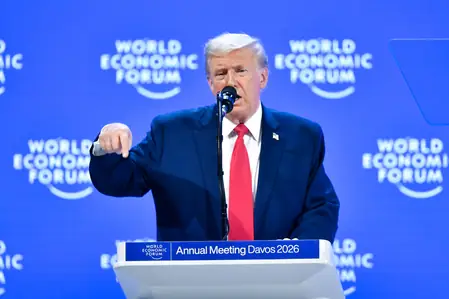
Washington erupted with news on February 21 as President Donald Trump, scorching the Supreme Court’s tariff decision as ‘hilariously bad,’ proclaimed a jump in worldwide tariffs to 15% starting immediately. This overrides his earlier 10% mandate, born from what he deems a flawed, America-hating judgment after exhaustive analysis.
In his pointed address, Trump highlighted chronic trade inequities: ‘Decades of nations plundering the US without pushback ends now. Tariffs rise to the proven 15% mark, fully legal and ready.’ The administration eyes more such policies soon to fuel national revival.
Background reveals Trump’s post-reelection pledge for customized tariffs per country, quashed initially by the court. Undeterred, he signed the 10% order promptly, only to amplify it hours later amid backlash. This rapid pivot showcases his trade warrior persona, prioritizing US leverage.
Stakeholders react variably—farmers and steelworkers cheer job safeguards, importers dread inflation spikes. Analysts predict supply disruptions and retaliatory measures from trade partners like China and the EU. Yet, Trump frames it as essential rebalancing.
As implementation unfolds, this tariff escalation spotlights executive-judicial tensions. Will courts block it again? For now, it propels Trump’s vision of economic dominance, compelling the world to play by revised rules favoring American prosperity.