
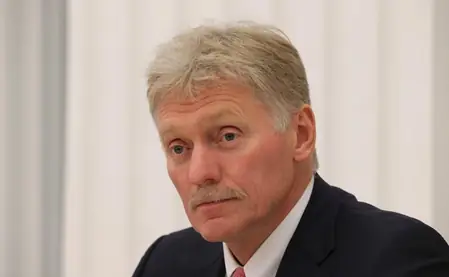
The Kremlin has poured cold water on Donald Trump’s proclamation that a U.S.-India trade deal spells the end of Russian oil flows to New Delhi. In a swift rebuttal, Dmitry Peskov declared there’s ‘nothing new’ in India’s multi-supplier energy strategy.
Trump linked the supposed cessation to tariff relief on Indian goods, reducing them to 18%. But Peskov dismissed it outright: India has long diversified its crude sources beyond Russia, and no deal alters that reality. ‘We’re not the only supplier, nor do we pretend to be,’ he told journalists.
No formal notice of import halts has reached Moscow, Peskov confirmed. Russia’s Foreign Ministry reinforced this, with Maria Zakharova praising the hydrocarbon partnership’s win-win nature. She pointed out technical hurdles—Russian crudes’ specific profiles suit Indian refineries better than quick U.S. substitutes.
India’s trajectory as top Russian oil buyer post-2022 Ukraine conflict underscores the stakes. Claiming nearly 33% of imports by 2025, volumes have since moderated with global flux. Yet, the Kremlin views India’s policy as autonomous, guided by energy needs over politics.
This exchange spotlights trade’s intricate web, where Trump’s optimism clashes with on-ground pragmatism. As negotiations evolve, Russia’s commitment to India signals steady energy ties, potentially reshaping import patterns and challenging Western sanction impacts.
In essence, the episode reaffirms sovereign decision-making in global energy markets, with Indo-Russian bonds proving durable against external narratives.