
President Trump’s Operation Epic Fury against Iran is drawing robust endorsements from senior Republican figures in Congress. They portray the military campaign as an essential counter to Tehran’s nuclear program, missile proliferation, and terror financing.
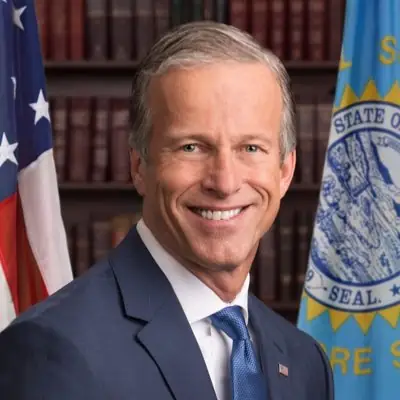
Senate Majority Leader John Thune warned of the grave threats from Iran’s nuclear intentions, surging ballistic missiles, and sustained backing of area extremists—a peril to US personnel, innocents, and partners that could no longer be ignored.
Senate Majority Whip John Barrasso positioned the strikes as a vital reset of regional power dynamics. Quoting the hallmark phrase, he said, “Kudos to President Trump for crushing Iran’s terrorist rule. This embodies peace through strength.”
From the Senate Republican Conference chair, Tom Cotton chronicled Tehran’s hostilities: nuclear pursuits, missile hordes, official terror patronage, spanning the hostage saga, deadly barracks blasts, tower attacks, battlefield bombs killing thousands of Americans, and Trump murder plots.
Senator Roger Wicker outlined the transparent aims: forever blocking the Ayatollah’s atomic bombs, eroding missile arsenals and manufacturing, obliterating fleet and terror infrastructures. Congressional notifications preceded the launches, Speaker Mike Johnson assured, with the Gang of Eight fully apprised on protective imperatives.
House Majority Leader Steve Scalise lauded Trump’s diplomatic marathon, spurned by Iran’s menacing trajectory. Sunday airwaves buzzed with Senator Lindsey Graham’s exuberance: “The terror flagship sinks. Leader eliminated. Brilliant work, President Trump.”
Echoing across Capitol Hill, the rationale centered on overdue responses to nuclear escalation, missile innovation, and proxy empowerment. Leaders deemed it a shrewd strategic pivot. As commander-in-chief, Trump holds authority, complemented by legislative review traditions for extended efforts—more intel sessions loom.
Four decades post-Islamic Revolution, Iran anchors US defense priorities via embargoes, shadow skirmishes, and atomic fuel frictions. Denying it nuclear status remains a cross-party imperative, varying only in blends of negotiation, penalties, and power projection.