
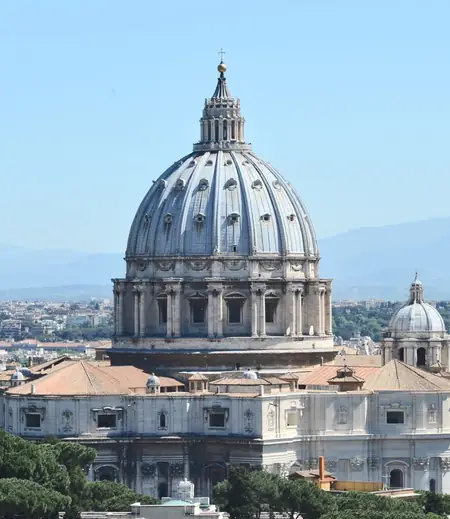
Ninety-seven years ago, the Lateran Treaty transformed a centuries-old rift into reconciliation. Signed on February 11, 1929, by Italy’s strongman Benito Mussolini and Vatican Secretary of State Cardinal Pietro Gasparri, the pacts resolved the ‘Roman Question’—the standoff between unified Italy and the Papacy over Rome’s status.
The conflict began in 1870 when Italian troops seized the Eternal City, stripping the Pope of worldly territories. Popes retreated to Vatican palaces, decrying the ‘Prison of St. Peter.’ Mussolini, aiming to legitimize his fascist rule through Catholic support, brokered the deal under Pope Pius XI’s guidance.
The agreement’s highlights: Vatican City became a sovereign entity with its own flag, stamps, and diplomatic corps. The Holy See conceded Rome’s role as Italy’s capital, embraced Catholicism’s primacy in Italian life, and received financial reparations for lost assets.
Pius XI’s endorsement was pivotal. He articulated a vision where spiritual authority thrived independently of national politics, allowing the Church to evangelize freely. This philosophical pivot averted prolonged animosity.
Reflecting on this milestone, the treaty’s impact resonates profoundly. Vatican City, though minuscule, wields immense soft power. The Lateran Pacts not only ended a dispute but established a model for sacred-secular harmony, relevant in today’s geopolitical tensions.