
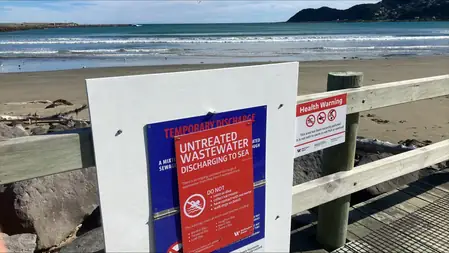
New Zealand’s capital is reeling from one of its worst environmental mishaps: a sewage treatment plant failure that dumped 70 million liters of raw waste into coastal waters. The Moa Point facility in Wellington succumbed to heavy rains on February 4, 2026, triggering backups and overflows that officials have branded a full-blown disaster.
Water inundated the plant’s basements, blocking the long outfall pipe to Cook Strait and forcing untreated sewage through a shorter alternative into southern beach areas. Wellington Water acted swiftly with partial fixes, including screening for large waste items, yet months of repairs loom for comprehensive restoration.
Public safety is paramount, with bans on swimming, shellfish collection, and pet access to beaches. Bacteria-laden waters threaten divers and beachgoers in a dive-enthusiast hub. CEO Pat Doherty admitted confusion over the pipe’s unexpected frailty, designed as it was for overload scenarios.
Mayor Andrew Little slammed the event as a ‘terrible failure,’ exposing cracks in essential services. Friday updates from Wellington Water note improved operations, though high-volume periods risk continued leaks. The human cost emerges too: Dive Wellington canceled dives for 30 students at a nearby reserve, with owner Dave Drain warning of economic hits as negative publicity spreads.
This spill not only endangers health but spotlights urgent needs for resilient wastewater systems amid climate change. Authorities promise rigorous testing before reopening sites, but for now, Wellington’s southern shores remain off-limits, a stark reminder of nature’s power over human engineering.