
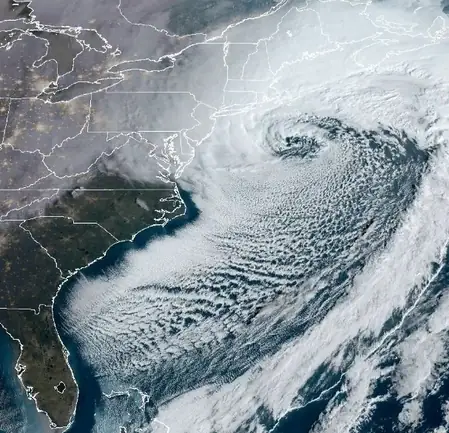
A state of emergency engulfs New York City and the Northeast as a blizzard alert unleashes chaos. Flights canceled en masse, schools dismissed, public transport suspended—residents brace for the worst. Understanding the blizzard distinction is crucial amid this white apocalypse.
Unlike standard snowstorms, blizzards pack punishing winds exceeding 35 mph, heavy precipitation slashing visibility below a quarter-mile for three-plus hours. Whiteouts render roads invisible, stranding motorists in drifts. Forecasts shifted dramatically: from light dusting to nor’easter deluge, burying tri-state spots under 18+ inches, with 4 inches per hour in bursts fueled by ferocious winds.
Drawing from satellite, radar, and computer simulations, agencies like the National Weather Service broadcast alerts for preemptive action. Tri-state travel bans, emergency proclamations, and transit shutdowns mitigate risks in high-density zones. Snow-clogged streets, potential power failures, and Arctic cold spell disaster for the exposed—hypothermia claims lives yearly.
Guidelines emphasize indoor sheltering, supply stockpiling, and generator safety. Nor’easters exemplify East Coast threats, blending Atlantic warmth with continental chill for rapid intensification. This onslaught probes emergency response limits, from salting arteries to sheltering vulnerable populations.
As the blizzard wanes, rebuilding awaits, but the alert system’s precision shines, transforming potential tragedy into manageable disruption.