
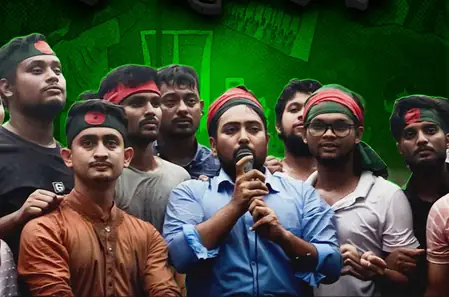
The Council on Foreign Relations delivers a critical take on Bangladesh’s elections: Gen Z’s street revolution succeeded spectacularly but bombed in the voting booths. Joshua Kurlantzick, CFR’s go-to on Asian affairs, traces the 2024 protests’ overthrow of Sheikh Hasina as Asia’s first major Gen Z win, igniting copycat actions from Nepal to Indonesia and far afield.
A worldwide youth insurgency appeared imminent. Yet reality bit hard. ‘Gen Z takes to the streets with force but falters in formal politics,’ Kurlantzick observes, citing Thailand’s youth party wipeout and Japan’s LDP steamrolling new rivals.
Post-Hasina, Bangladesh’s polls crowned the BNP with overwhelming support. This veteran of the nation’s seesaw politics between Awami League and BNP promises democracy, growth, and anti-corruption fixes—but trust remains thin.
Protest alumni launched the NCP, targeting 30 parliamentary seats and netting a mere six. Kurlantzick deems it feeble. Voters banked on BNP for bold constitutional shifts to revive the economy and polity.
Can BNP follow through? Its actions will prove if it’s evolved or stuck in the past. Stagnation means Bangladesh stays mired in recurring crises, the analyst warns. Jamaat-e-Islami’s near-second finish revives specters of its violent legacy and gender biases, against a backdrop of election-eve bloodshed.
Fair on voting day, the process echoed Bangladesh’s turbulent history. Gen Z’s lesson: Mobilizing masses doesn’t translate to mandates. With BNP in power, the question is whether youth energy can pivot to sustained influence.