
India is drawing a line in the sand at the UN, rejecting a proposed third membership class for the Security Council as a smokescreen for avoiding real change. Permanent seat expansion remains non-negotiable for true reform.
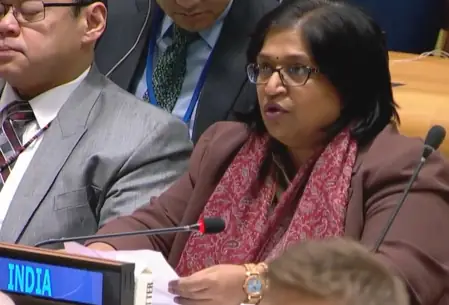
Yojana Patel, India’s Deputy Permanent Rep, used the IGN platform to expose the ploy. The third category’s vague promises of longer, renewable terms do nothing to resolve the Council’s legitimacy woes, she argued.
Backed by a vocal minority in the UfC—think Italy, Pakistan—this push substitutes progress with stagnation, repeatedly derailing text-based talks via stalling tactics.
Patel noted overwhelming consensus: ‘Security Council reform is overdue.’ Only selfish holdouts disagree.
G4 spokesperson Japan’s Yamazaki labeled the seats as rebranded temporaries, incapable of balancing power or replacing permanents due to lacking continuity.
Comprising India, Japan, Germany, Brazil, the group mutually backs permanent aspirations while championing dual-category growth—a stance the third option blatantly sidesteps.
L.69, representing 42 developing countries including India, voiced similar disdain. Saint Lucia’s Rambally warned against hybrids supplanting core categories: ‘The Global South rejects cosmetic changes after 80 years.’
Veto for these seats? Patel called it a recipe for chaos, intentionally muddying vital debates to protect the status quo.
Permanent and non-permanent enlargements are essential, she affirmed, enjoying wide support. Anything less betrays reform hopes.
Fears of gridlock from expansion? Easily mitigated by refining methods to suit a diverse, expanded body.
Ensuring Asia-Pacific, African, and Latin American voices in permanents is reform’s cornerstone—ignored at the UN’s peril.
As negotiations drag, India’s rejection amplifies calls for equity, positioning it as a leader in reshaping global governance.