
Donald Trump’s ‘Board of Peace’ suffers dual setbacks as Italy and Poland formally decline participation. The announcements from Rome and Warsaw on Wednesday spotlight constitutional and situational roadblocks, complicating the panel’s launch.
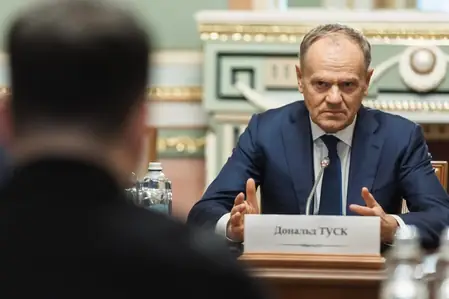
In Poland, Prime Minister Donald Tusk framed the decision around today’s volatile environment. During official proceedings, he affirmed, ‘We abstain from the Board of Peace due to the board’s size and our national doubts, yet analysis continues.’ This came ahead of tense talks with opposition figure Karol Nawrocki at the National Security Council.
Italy’s rejection hinges on legal grounds, per Foreign Minister Antonio Tajani. ‘A constitutional issue bars us,’ he declared on Sky TG24, noting Italy joins bodies only on equal footing—a stipulation clashing with the board’s empowerment of Trump. Meloni’s month-ago request for revisions to President Trump yielded no changes.
Initially a niche team for Gaza ceasefire oversight, Trump’s board evolved into a grand invitation to scores of nations, eyeing a role in worldwide disputes. Enthusiastic responses from Pakistan, Egypt, and Turkey stand against opt-outs by France, Norway, Sweden, and the UK.
These developments underscore tensions between national priorities and American leadership styles. Observers question if the board can proceed without robust European backing, especially as Middle East flashpoints demand swift action. The episode may redefine transatlantic cooperation, urging a rethink on power-sharing in peace efforts.