
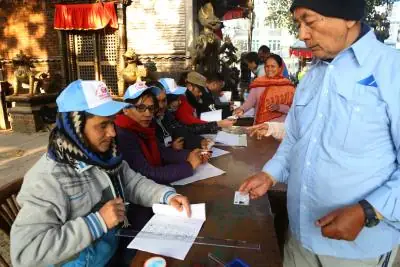
Nepal’s political arena buzzes as March 5 parliamentary elections approach, with campaigns launched February 16 and concluding shortly before polls open. A new administration will emerge, potentially resolving years of deadlock.
Post-2008’s monarchy-to-republic pivot—after 240 years of Shah rule ended by 1990 protests and 2006 accords—the nation has endured relentless upheaval: toppling coalitions, corruption clouds, and governance gridlock. Last September’s Gen Z uprising, organized online, demanded ethical overhaul and felled Oli’s regime, dissolving parliament.
Enter rookie candidates from those streets, vowing to voice youth frustrations. With a million-plus new registrants since 2022, their demographic heft promises electoral earthquakes.
Front-runner: Balendra ‘Balen’ Shah, 35-year-old ex-Kathmandu mayor, engineer, rapper, and RSP leader under Rabi Lamichhane’s 2022 banner. His cool factor resonates with millennials, eyeing PMcy while battling Oli in Jhapa-5.
Old lions prowl: Oli (CPN-UML, 73), Prachanda (NCP, 71), Thapa (Nepali Congress, 49), and RPP monarchists nostalgic for Gyanendra.
Indo-Nepal camaraderie thrives in education, commerce, energy, society. China’s BRI inroads, via Oli’s December 2024 Beijing pact for three-year infra-economic guidance, falter on delays sans flagship projects. Sri Lankan financial snags add pressure.
This poll tests youth insurgency against status quo, possibly recalibrating foreign policy. Nepal’s democracy hangs in the balance.