
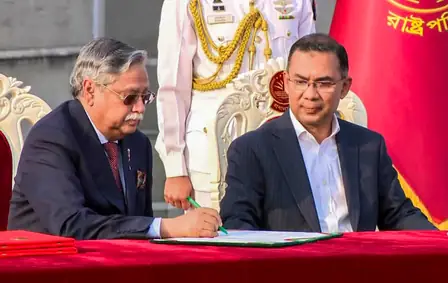
Bangladesh President Mohammed Shahabuddin has broken his silence with damning allegations against Muhammad Yunus’s interim regime, accusing it of orchestrating his ouster and flouting the constitution. The interview, granted to Kaler Kantho at Bangabhaban, details a period of isolation and subversion.
Isolated for 18 months, Shahabuddin claims he was excluded from consultations, stripped of essential support like his press wing, and plotted against to engineer national instability. Conspiracies to remove him without due process repeatedly failed due to his steadfastness.
Yunus’s 14-15 foreign jaunts went unreported, breaching rules requiring detailed briefings to the president on outcomes and agreements. The chief adviser’s silence extended to domestic actions, including 133 ordinances and a secretive US pact finalized before polls.
Proposed trips to Kosovo and Qatar were vetoed, plunging the president into informational blackout. ‘Past leaders always informed me—this is constitutional duty,’ he emphasized, contrasting the neglect.
This exposé from the presidency highlights fractures in Bangladesh’s interim governance. It prompts scrutiny of how transitional authorities wielded power, potentially reshaping perceptions of the Yunus era as the country eyes stability and democratic restoration.