
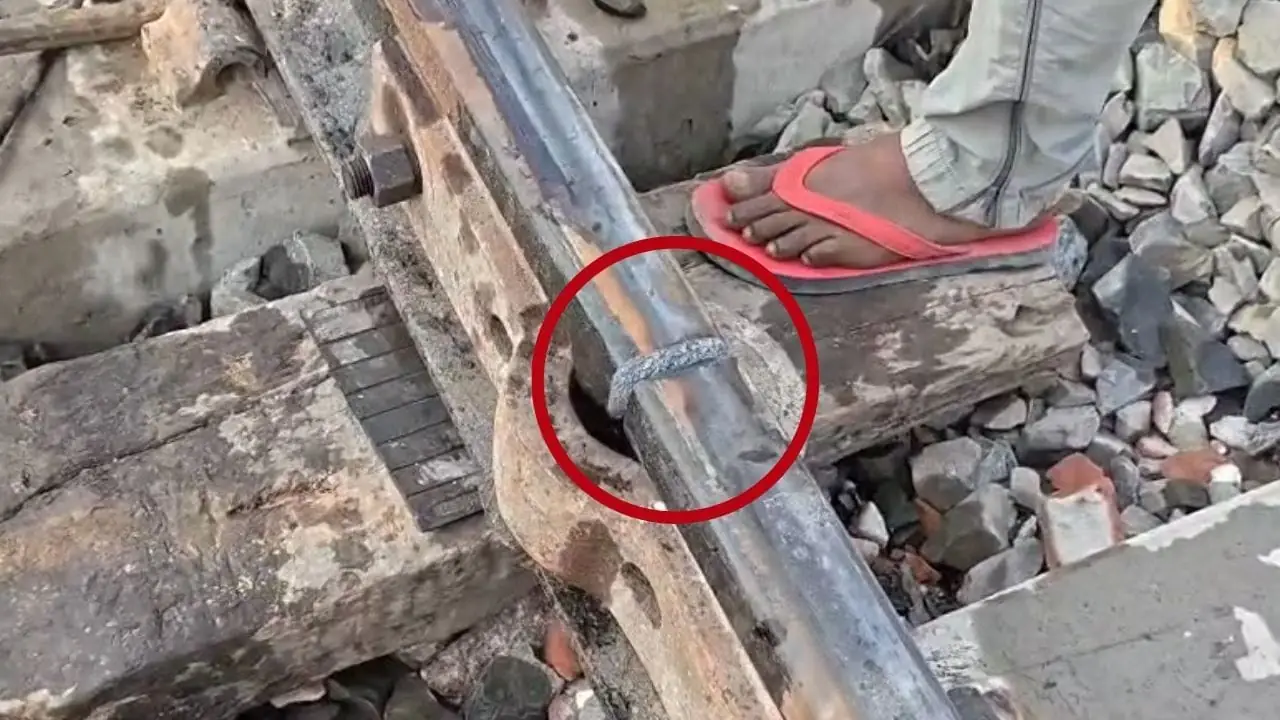
A routine journey turned into a survival story in West Champaran, Bihar, as loco pilot heroism thwarted a rail disaster. The Bagaha-Patliputra Intercity Express, packed with commuters, encountered a severed track moments after leaving Kumarbaag station on its Narkatiaganj-Bettiah route.
The pilot felt an unnatural lurch after the first couple of coaches passed—a telltale sign of track failure. Acting on instinct honed by years of experience, he braked hard, averting what could have been Bihar’s worst rail mishap in recent memory. Descending from the cab, he confirmed the horror: the rail was fractured, posing imminent derailment risk.
For about 1.5 hours, tension gripped the stationary train as repair teams battled the breach. PWI staff, armed with tools and expertise, mended the damage under scrutiny from anxious travelers and arriving officials. The track secured, the train chugged forward, its passengers none the worse for the scare.
The guard’s account paints a vivid picture of the peril. ‘One delayed reaction, and we’d have faced devastation,’ he warned, questioning the robustness of current safety measures. Rail authorities, treating the matter gravely, have ordered a thorough investigation into the breakage’s origins.
Experts speculate on causes ranging from overloading and poor welding to undetected corrosion. This wake-up call demands sweeping reforms: advanced track monitoring tech, frequent inspections, and better training. As probes continue, the story celebrates human alertness triumphing over systemic frailties, ensuring safe passage for those on board.